


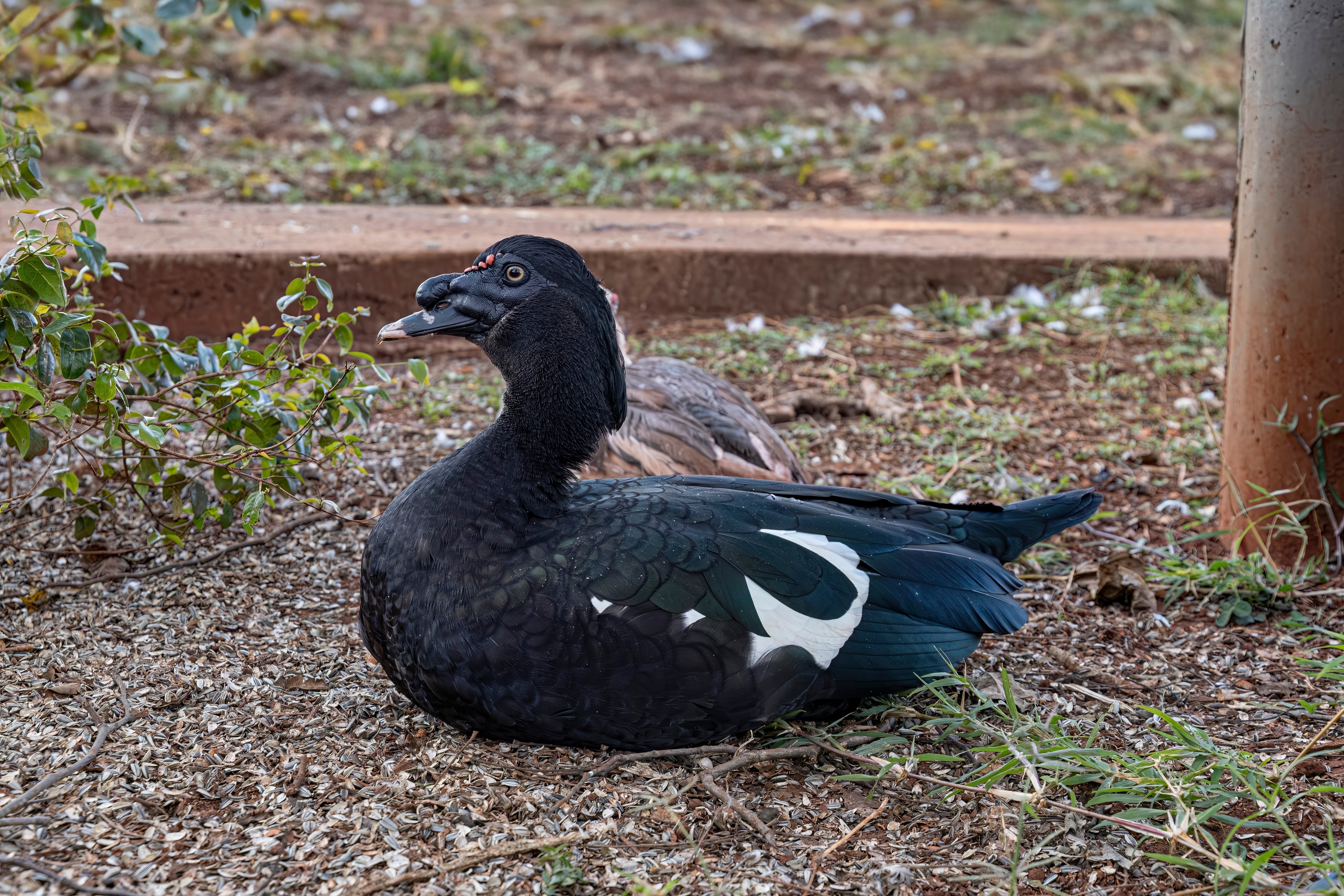
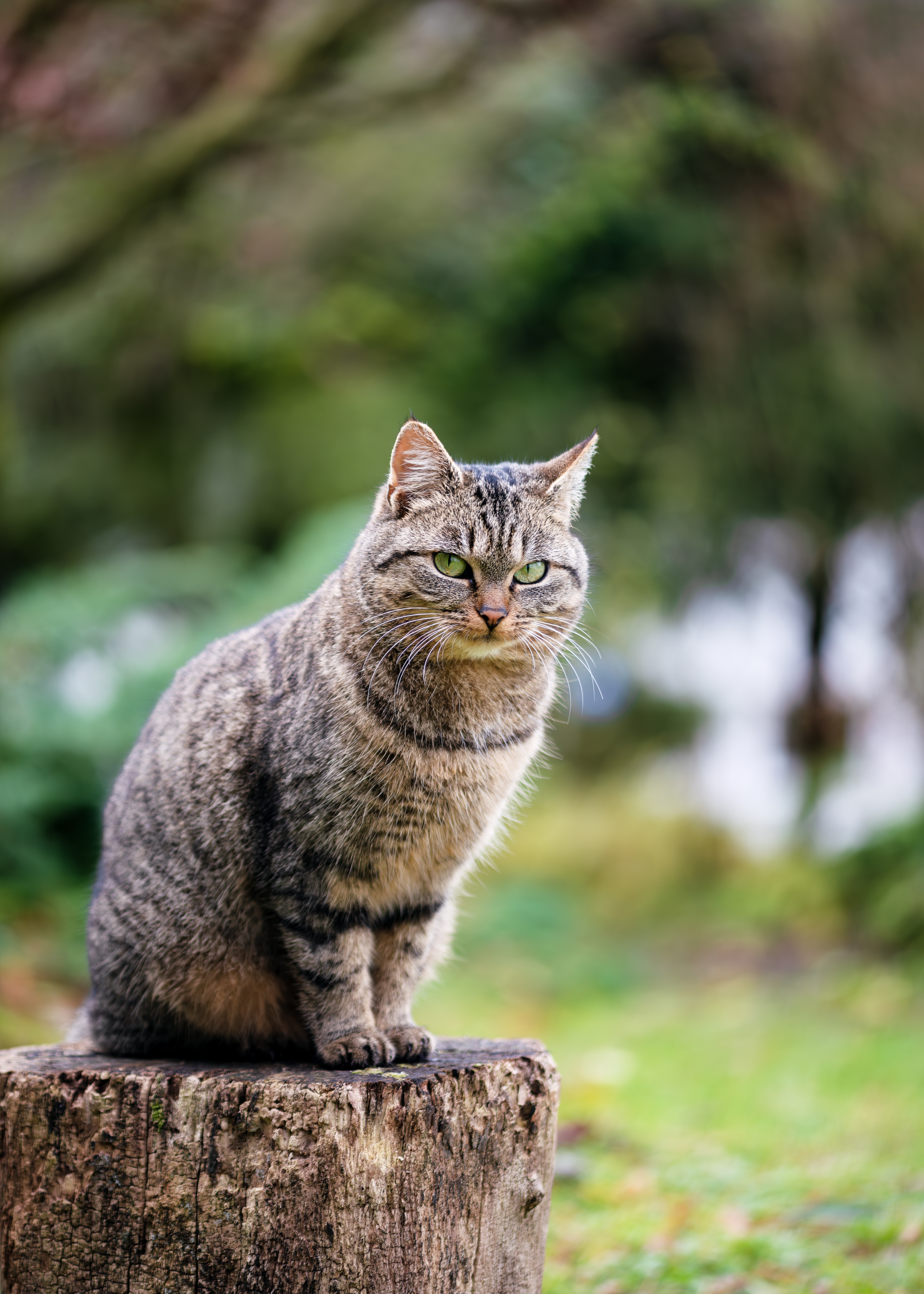
Most frequent visitors
At Bahia Principe Hotels & Resorts, we share our spaces with various species that make your stay even more special.
Among them are cats, ducks, common gallinules, and house wrens — animals that many visitors enjoy seeing, but that we must respect without disrupting their natural way of life.
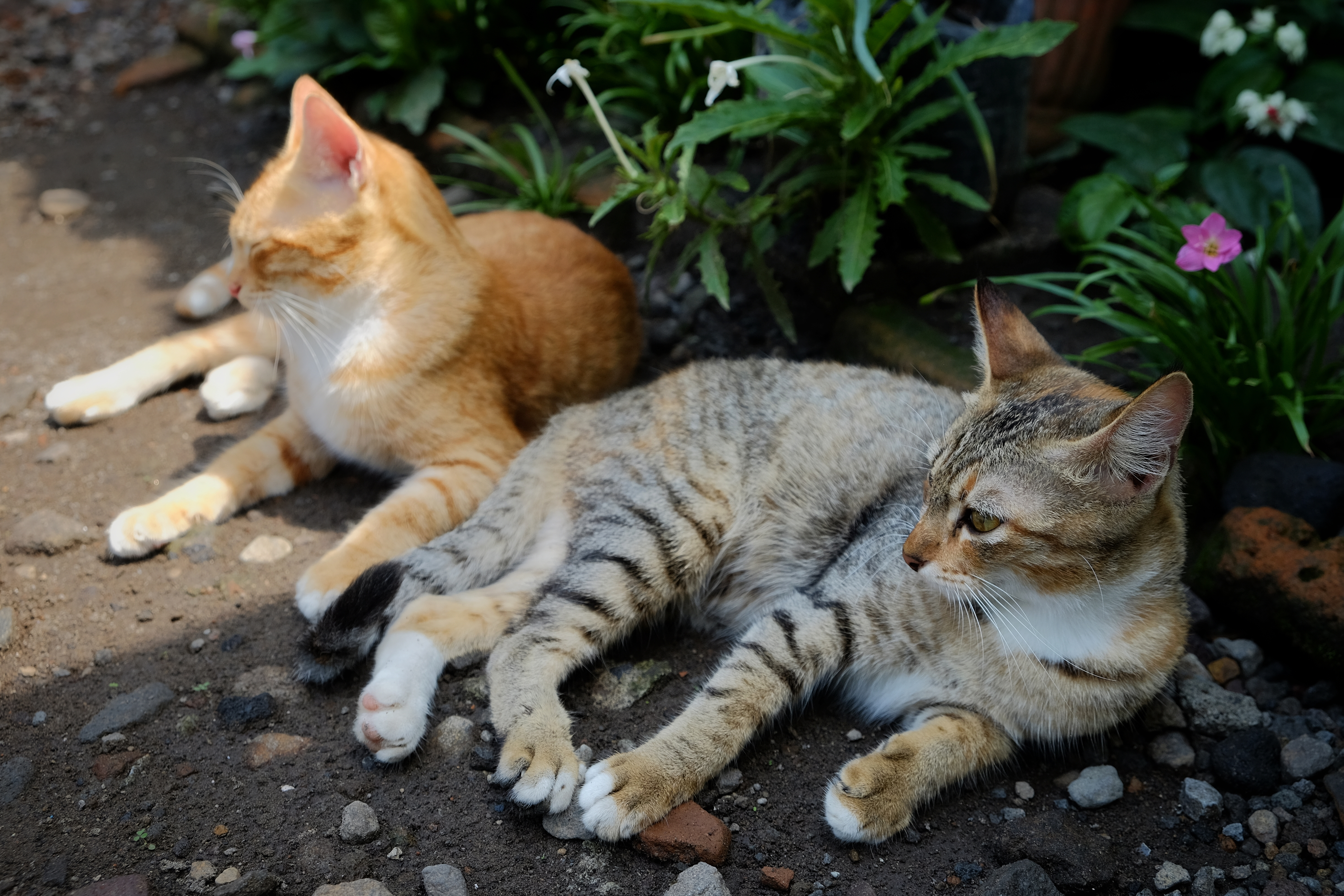
Meet the cats
- Scientific name: Felis catus
- They are curious, agile, and very territorial
- Although they may seem domesticated, the cats that live in hotel areas are semi-wild and feed on what they find in nature
- Give them only your respect: human food can disrupt their diet and create dependency on visitors.
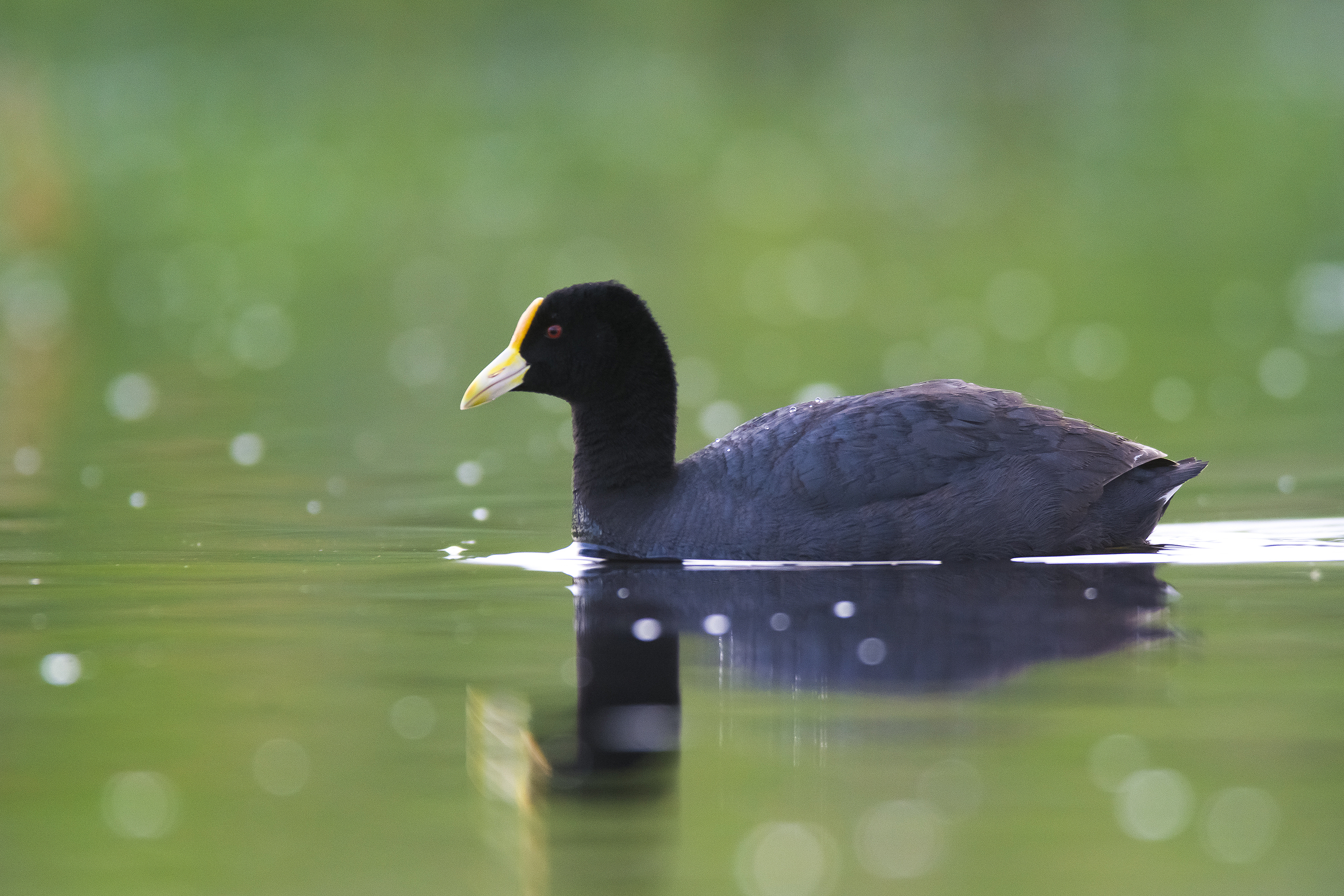
Discover the ducks
- Scientific name: Cairina moschata (Muscovy duck).
The Muscovy duck is a common species in tropical and humid environments - It stands out for its robust build, characteristic dark plumage with green or blue iridescence, and the red caruncles around its beak
- It feeds naturally on seeds, insects, aquatic plants, and small invertebrates found in lagoons and gardens
- Bread and other processed foods are not suitable for its system and can cause digestive and feather problems
Meet the Common Gallinule
- Scientific name: Gallinula galeata (common gallinule or moorhen)
- This aquatic bird is often seen in lagoons, ponds, and wetlands across the Caribbean
- It is recognized by its dark plumage, red beak with a yellow tip, and greenish legs — perfect for walking among aquatic vegetation
- It naturally feeds on plants, small mollusks, and insects
- Feeding it bread or other human foods can harm its health and behavior, and also affect the quality of the water where it lives
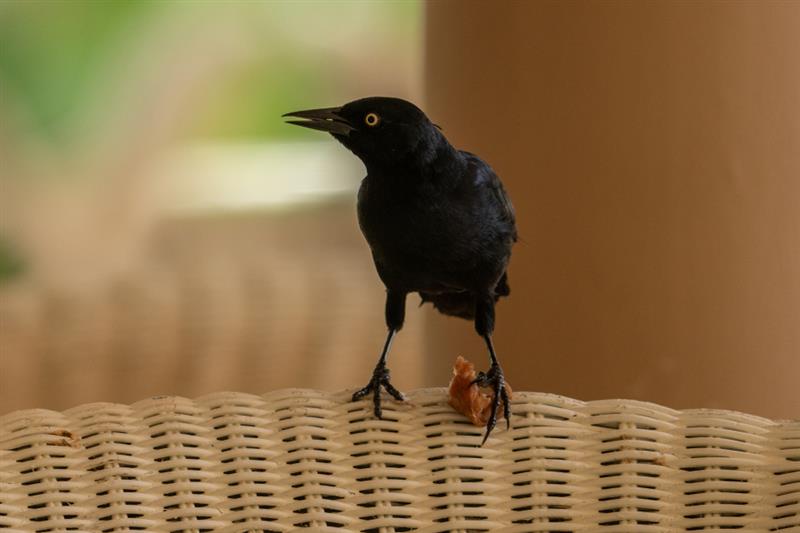
Discover the House Wren
- Scientific name: Troglodytes aedon (house wren)
- This small bird is very active and curious, known for its cheerful song often heard among the gardens and trees of the resort
- It feeds on insects and small spiders, helping maintain the natural balance of the environment
- Feeding it human food scraps can harm its digestive system and cause it to lose its natural foraging instinct
1. For their health: Human food is not appropriate and can make them sick
2. For their safety and yours: If they get used to being fed, they may become dependent or approach guests too closely
3. For natural balance: Artificial feeding disrupts their habits and harms the hotel’s ecosystem and surroundings
4. Out of respect for nature: They know how to find what they need to live healthy and free
Admiring cats, ducks, gallinules, and wrens in their natural freedom is a privilege.
Enjoy them from a distance, without feeding them, and help us keep this paradise in harmony.
Observe them, respect them, protect them



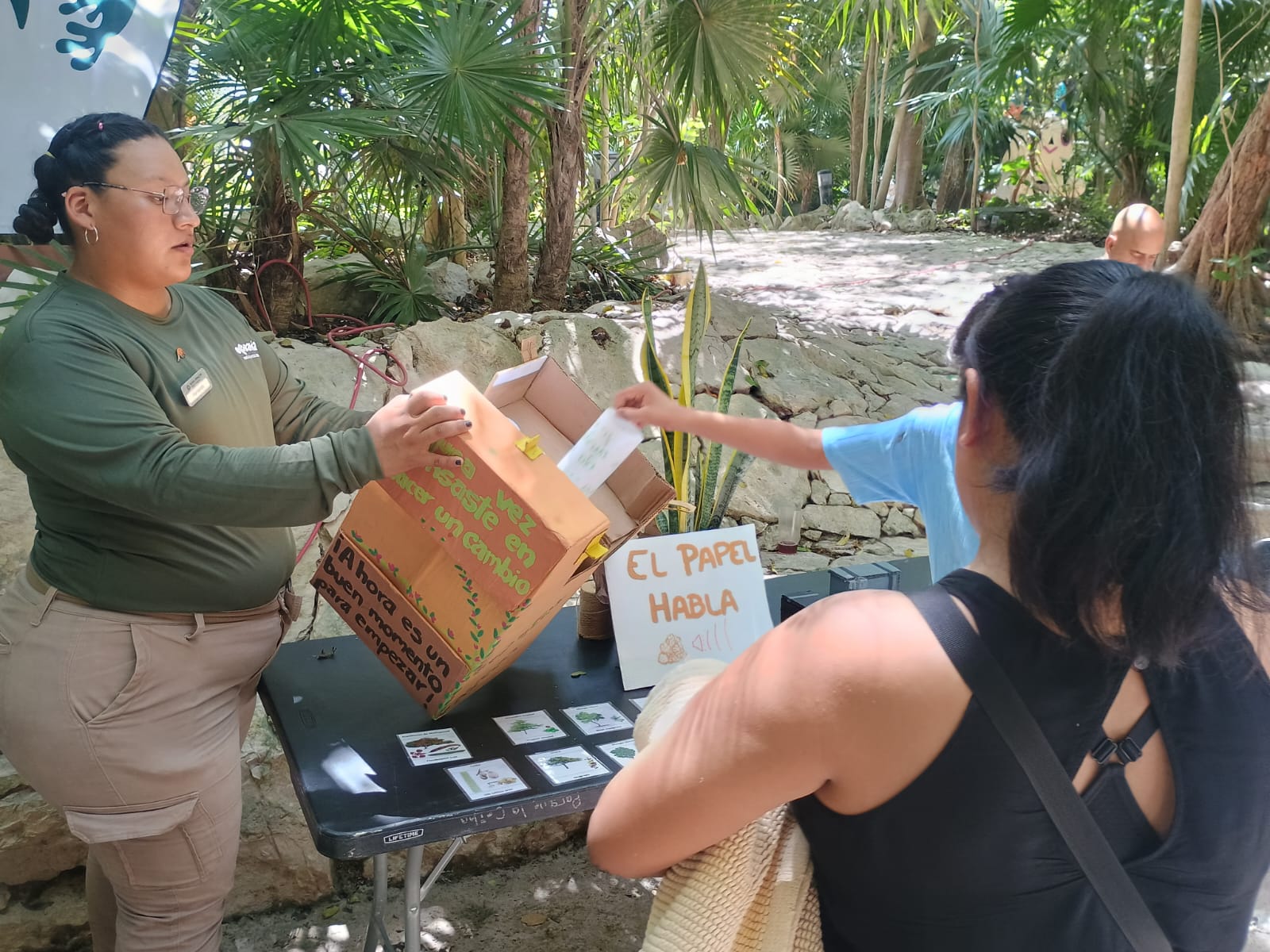
Recycled Paper Workshop in Playa del Carmen

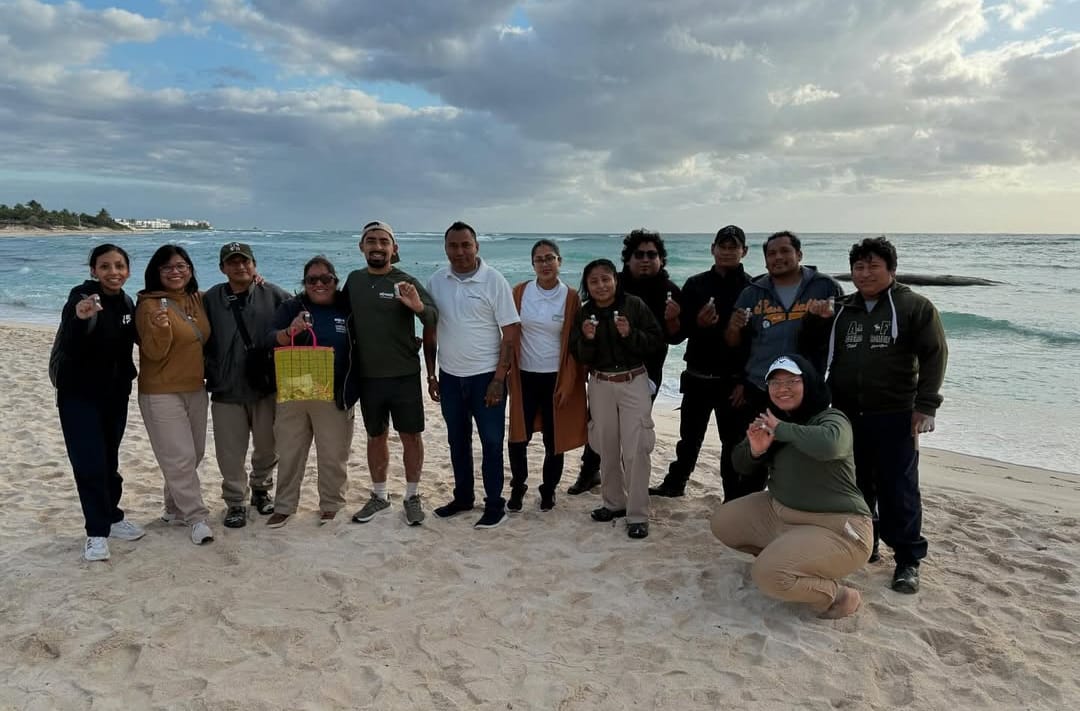
Eco-Bahia Drives Marine Conservation in Riviera Maya