


Sea turtle conservation in the Caribbean
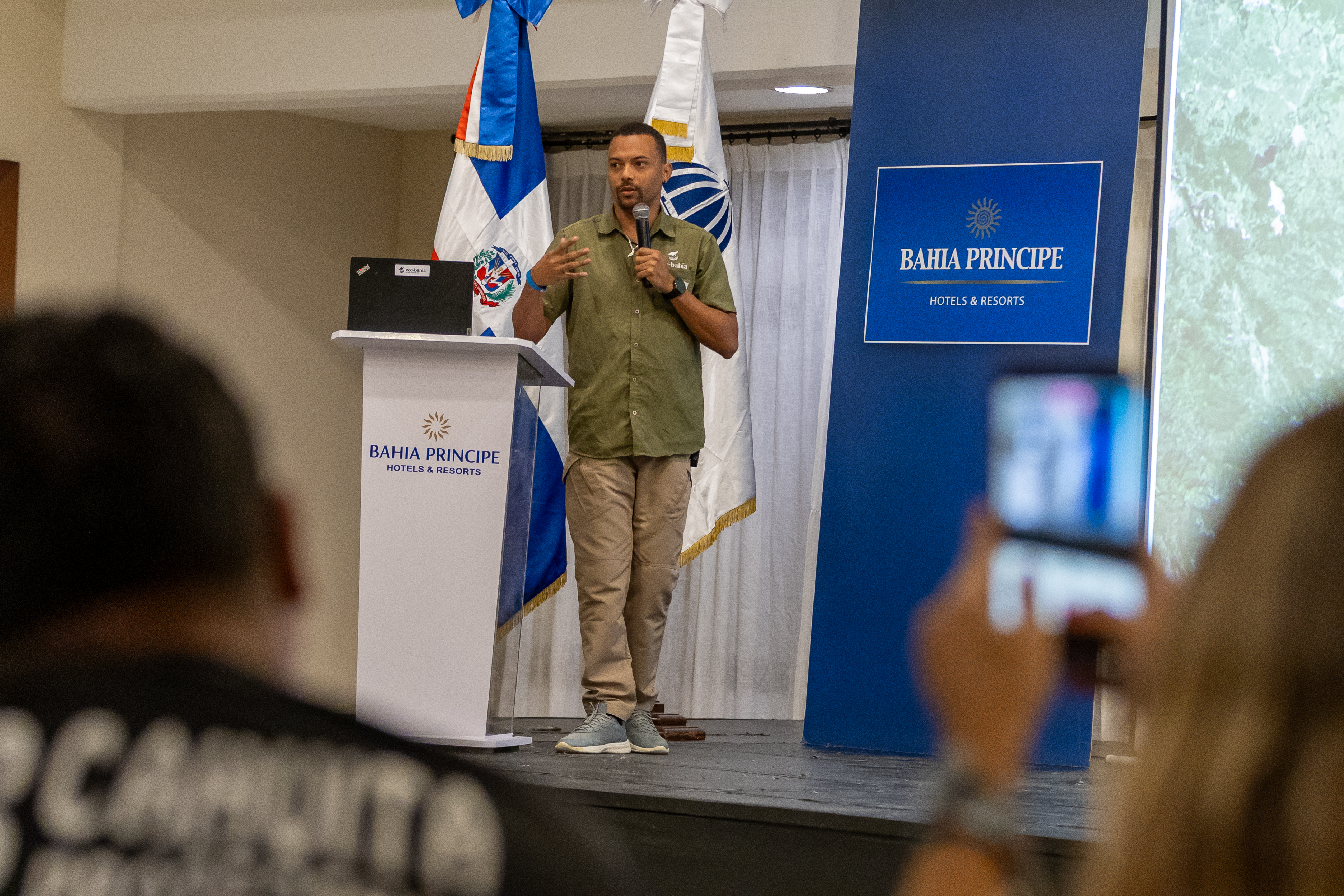
Eco-Bahia reinforces its leadership in sea turtle conservation in the Caribbean by hosting the international meeting of WIDECAST, one of the most important platforms for scientific collaboration in the region. More than 100 experts from across the Wider Caribbean gathered to strengthen joint strategies aimed at protecting endangered marine species.
This event positions Eco-Bahia as a key player in environmental conservation, highlighting its role not only as host but also as a driver of innovative solutions for protecting sea turtles and coastal ecosystems.
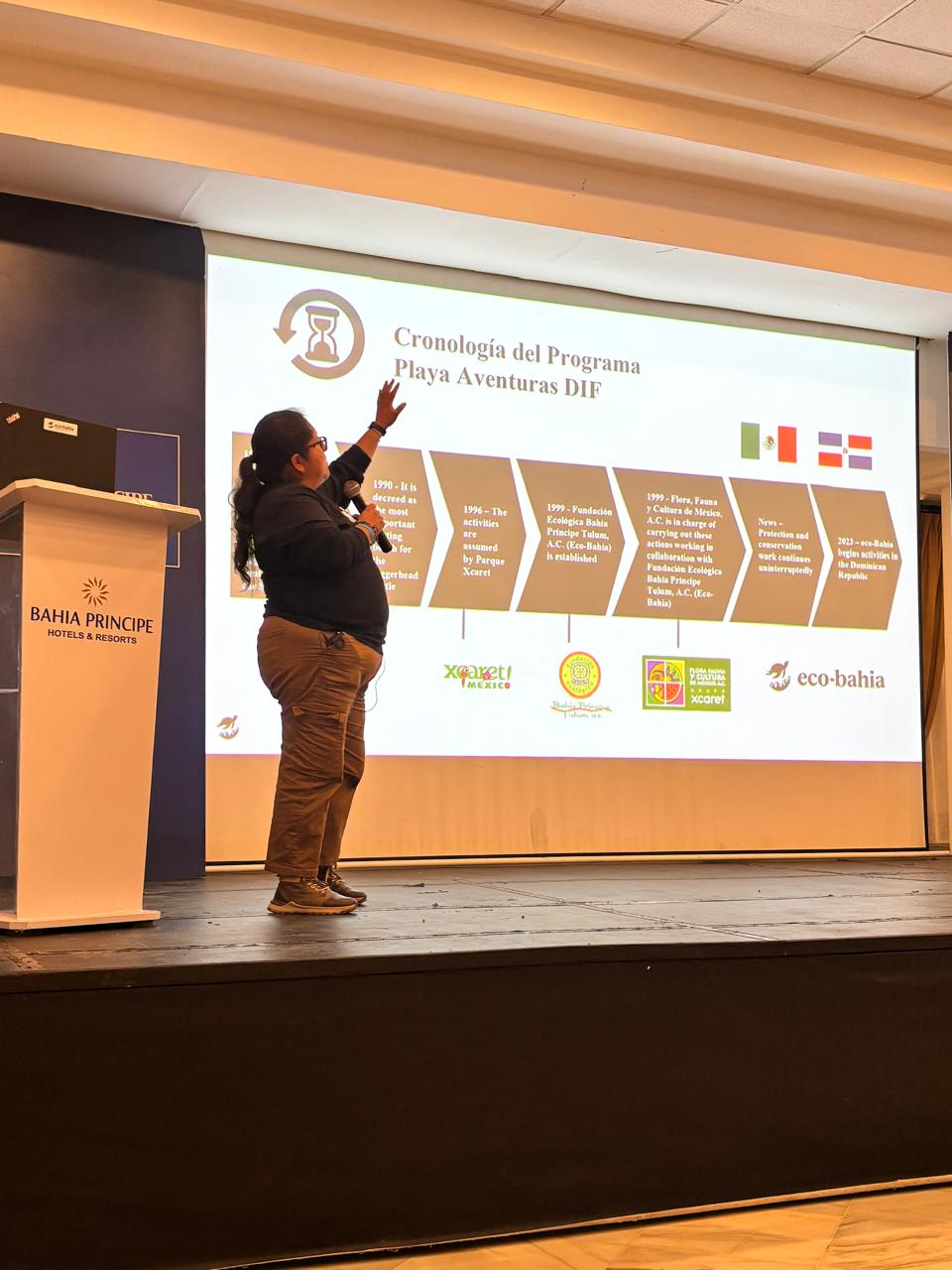
During the conference, Eco-Bahia presented its progress in sea turtle conservation programs in Mexico and the Dominican Republic. Its presentations covered key topics such as nesting monitoring, community environmental education, and sustainable management strategies for biodiversity protection.
Thanks to these efforts, the foundation has protected more than 152,000 sea turtle hatchlings in 2025, including green (Chelonia mydas), loggerhead (Caretta caretta), hawksbill (Eretmochelys imbricata), and leatherback (Dermochelys coriacea) turtles, reinforcing its impact across the region.
International cooperation in the Caribbean
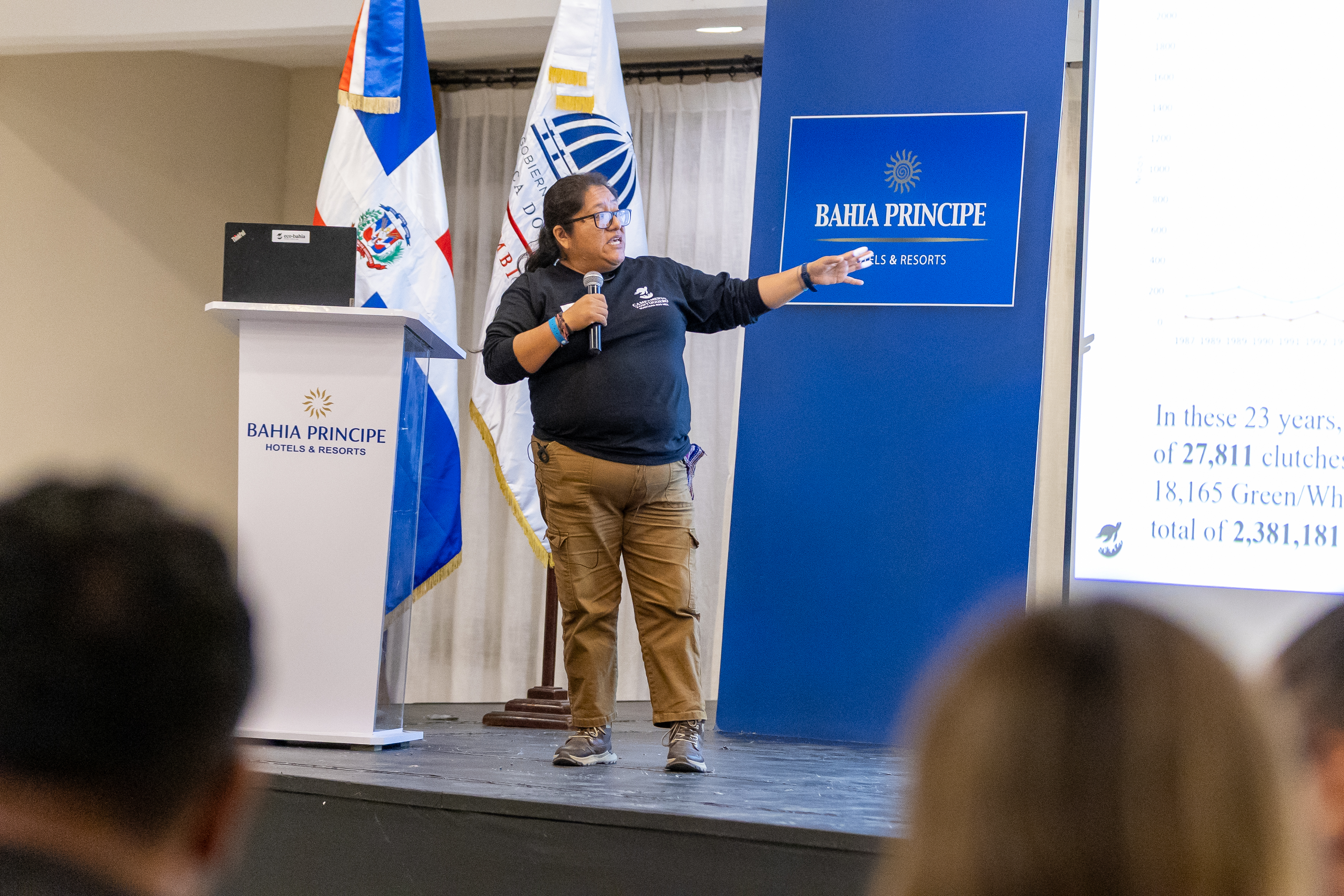
The event held in the Dominican Republic represents recognition of Eco-Bahia’s long-term commitment and the work of its partners. According to Alex Matás, the foundation’s director in the country, gatherings like this help position the Caribbean as a critical region for sea turtle conservation.
Collaboration with the Ministry of Environment and other key stakeholders highlights the importance of international cooperation in addressing environmental challenges and protecting endangered species.
With more than 25 years of experience in Mexico and four in the Dominican Republic, Eco-Bahia has developed a sustainable development model where tourism and conservation coexist in the same space. Its collaboration with NGOs, public and private institutions, academia, and local communities has been essential in creating long-lasting positive impact.
This approach not only protects biodiversity but also promotes environmental awareness and responsible economic development.
One of the most innovative aspects of the conference was the training on EarthRanger, a tool that allows real-time monitoring of wildlife and ecosystems. This system enables organizations to collect, visualize, and analyze data related to nesting sites, beaches, and threats such as human activity or predation.
By using this technology, conservation teams can improve decision-making, centralize scientific data, and strengthen protection strategies for sea turtles in the Caribbean.
Through initiatives like WIDECAST, Eco-Bahia continues to strengthen its mission to protect natural resources and promote sustainable development. Its work benefits both marine biodiversity and the local communities that depend on these ecosystems.
Eco-Bahia’s leadership in environmental conservation highlights the importance of continued collaboration to ensure the protection of sea turtles and the ecological balance of the Caribbean.


Recycled Paper Workshop in Playa del Carmen

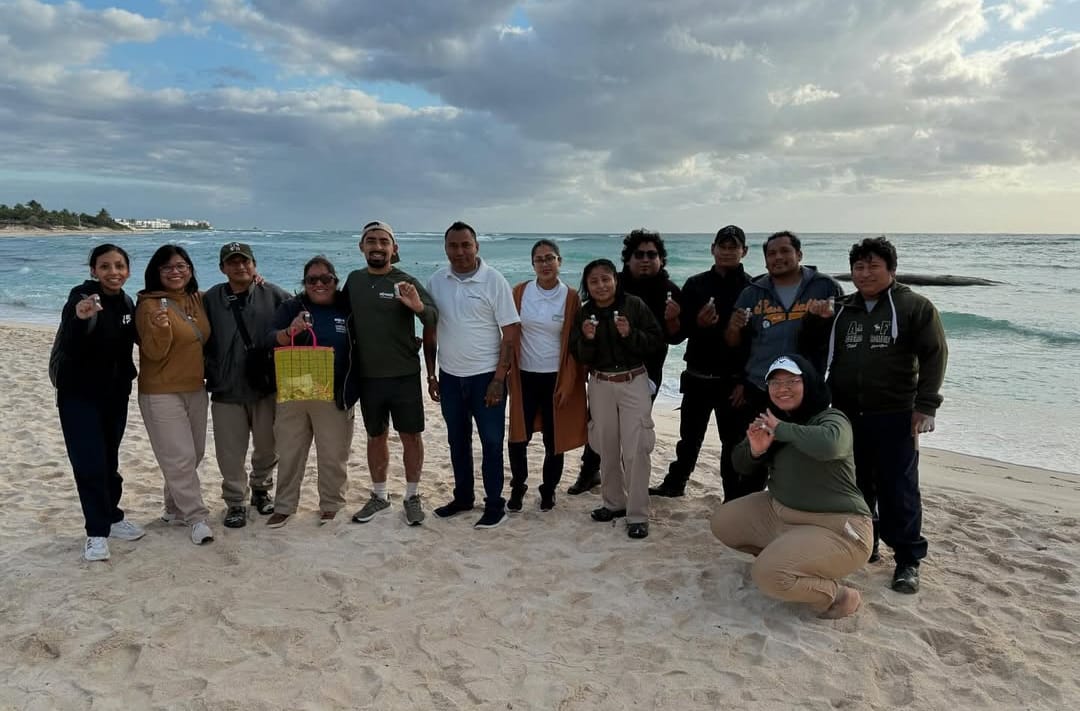
Eco-Bahia Drives Marine Conservation in Riviera Maya