


Eco-Bahia Protects More Than 152,000 Sea Turtle Hatchlings in the Caribbean in 2025
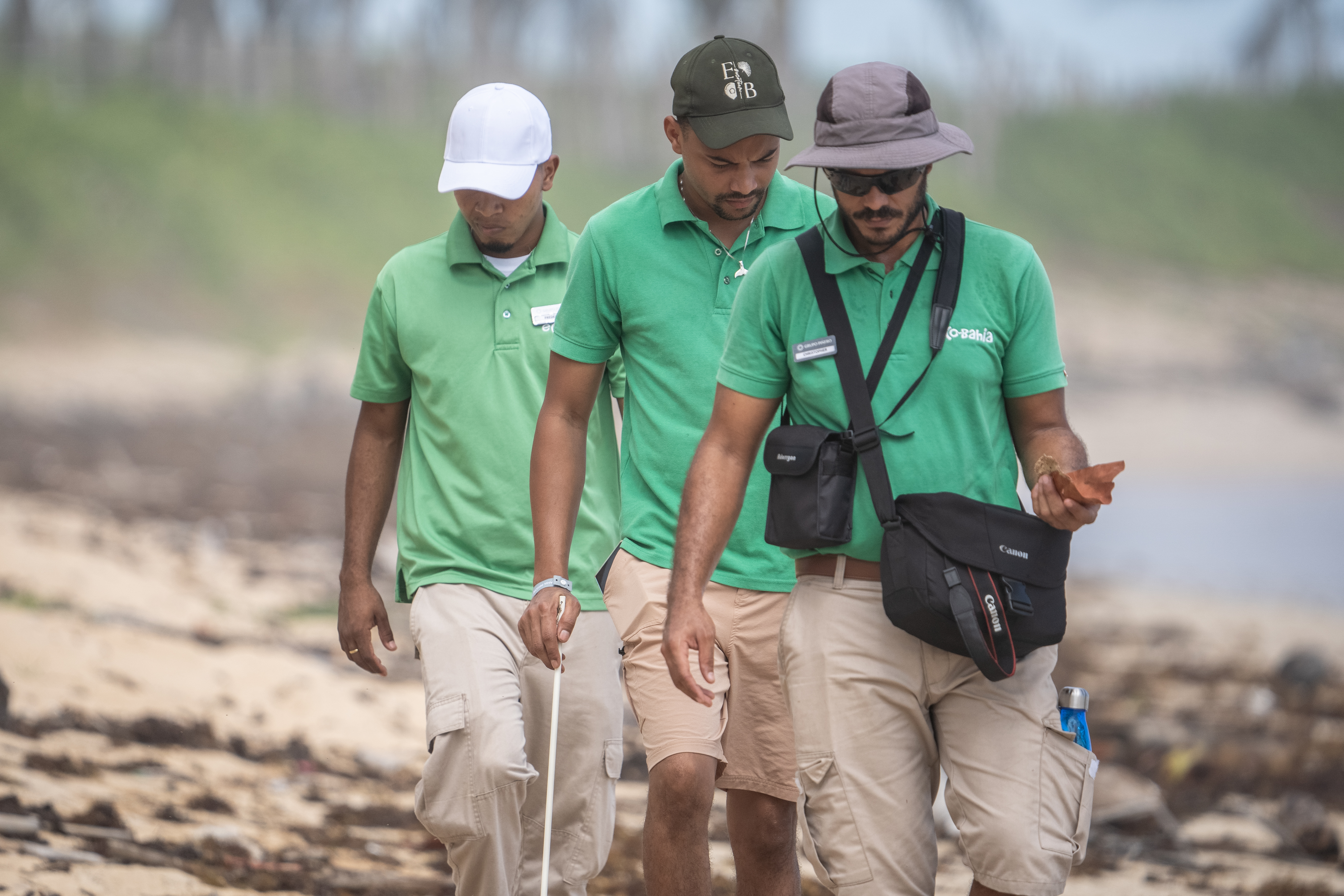
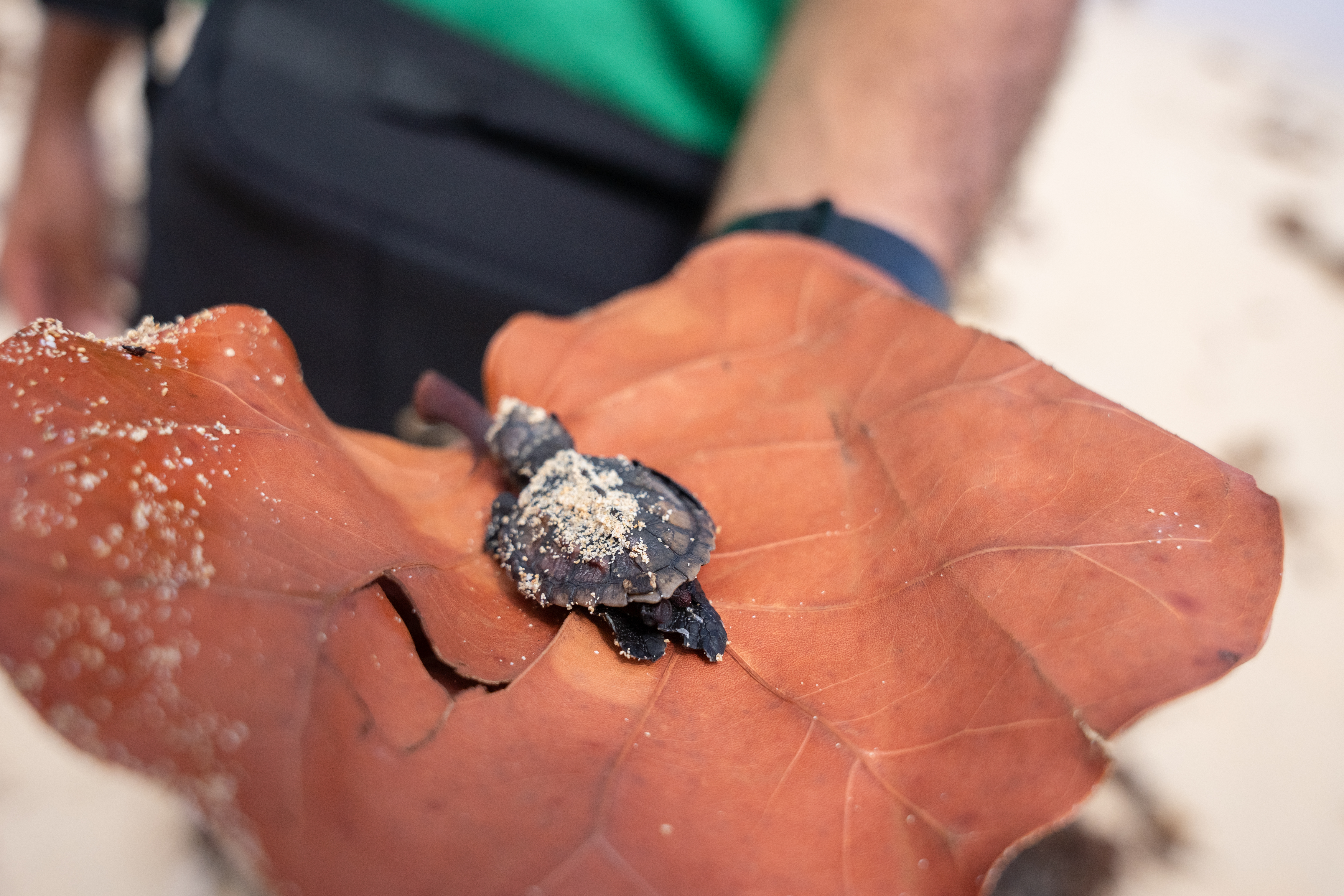
Eco-Bahia, promoted by Piñero and linked to Bahia Principe Hotels & Resorts, continues to consolidate its leadership in environmental conservation in the Caribbean. During 2025, the organization achieved one of its most significant milestones: the protection and release of more than 152,000 sea turtle hatchlings, reinforcing its commitment to biodiversity in Mexico and the Dominican Republic.
This achievement is part of more than 25 years of work protecting natural heritage, during which the foundation has evolved toward a comprehensive model that combines conservation, applied science, and environmental education. The year has also been marked by the consolidation of its new visual identity and brand purpose, strengthening its position as a sustainability benchmark within the tourism sector.
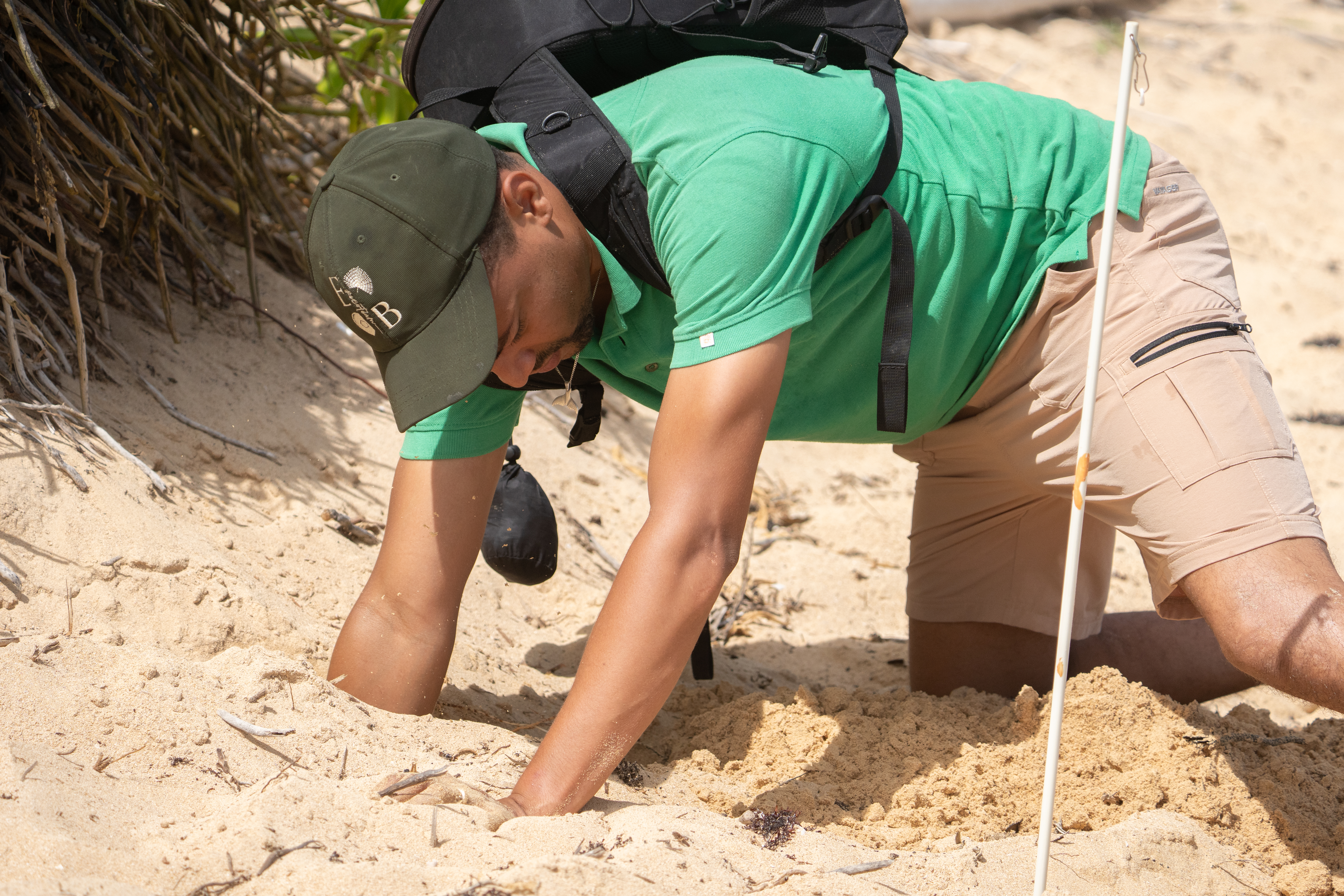
Sea Turtle Conservation
The Sea Turtle Conservation Program recorded particularly encouraging results. In total, 152,251 hatchlings were released, including 148,831 on the Mexican coast and 3,420 in the Dominican Republic.
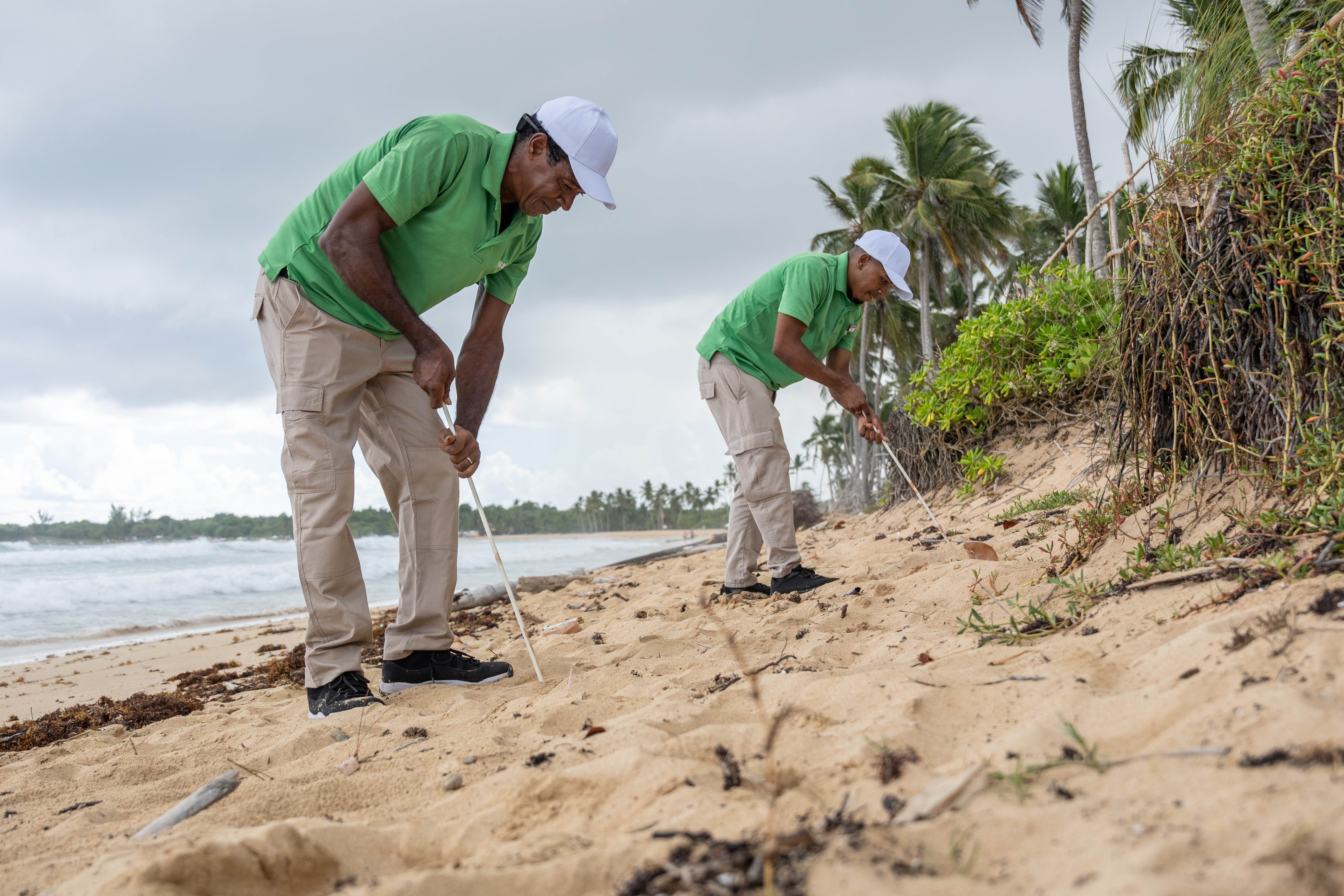
One of the most significant improvements occurred in Bahía Escocesa in the Dominican Republic, where nest poaching dropped dramatically from 89% in 2024 to 29.6% in 2025. This progress made it possible to protect 4,956 eggs, with a 96.1% hatching success rate, demonstrating the effectiveness of monitoring efforts and community awareness initiatives.
In the Riviera Maya, scientific work has also played a key role in marine species protection. During the season, 171 female turtles were tagged and 1,712 nests were protected, contributing to the conservation of emblematic species such as the loggerhead turtle and the green turtle.
These efforts are part of a long-term strategy to ensure the survival of these species in the Caribbean by combining research, habitat protection, and collaboration with environmental authorities.
Marine Ecosystem Restoration
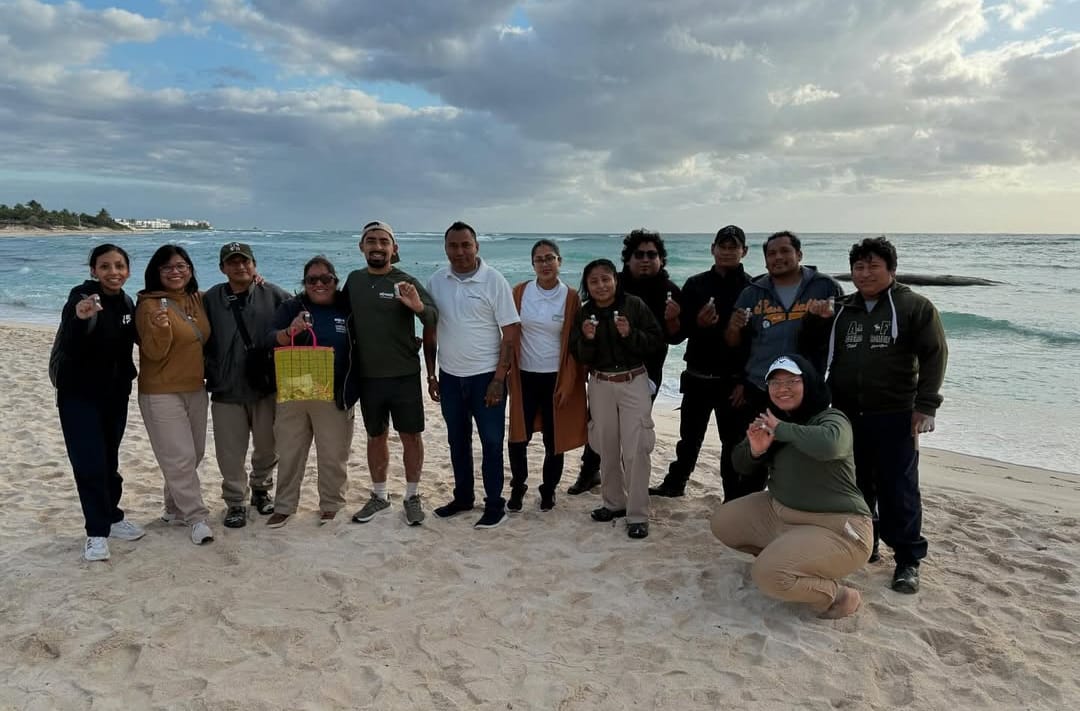
Ecosystem restoration has also been a key pillar of Eco-Bahia work throughout 2025. In the Mexican Caribbean, the team carried out the transplantation of 1,000 corals, achieving a survival rate of over 80%.
In addition, 1,256 reef structures were maintained and monitored, which are essential for reef recovery and marine biodiversity protection.
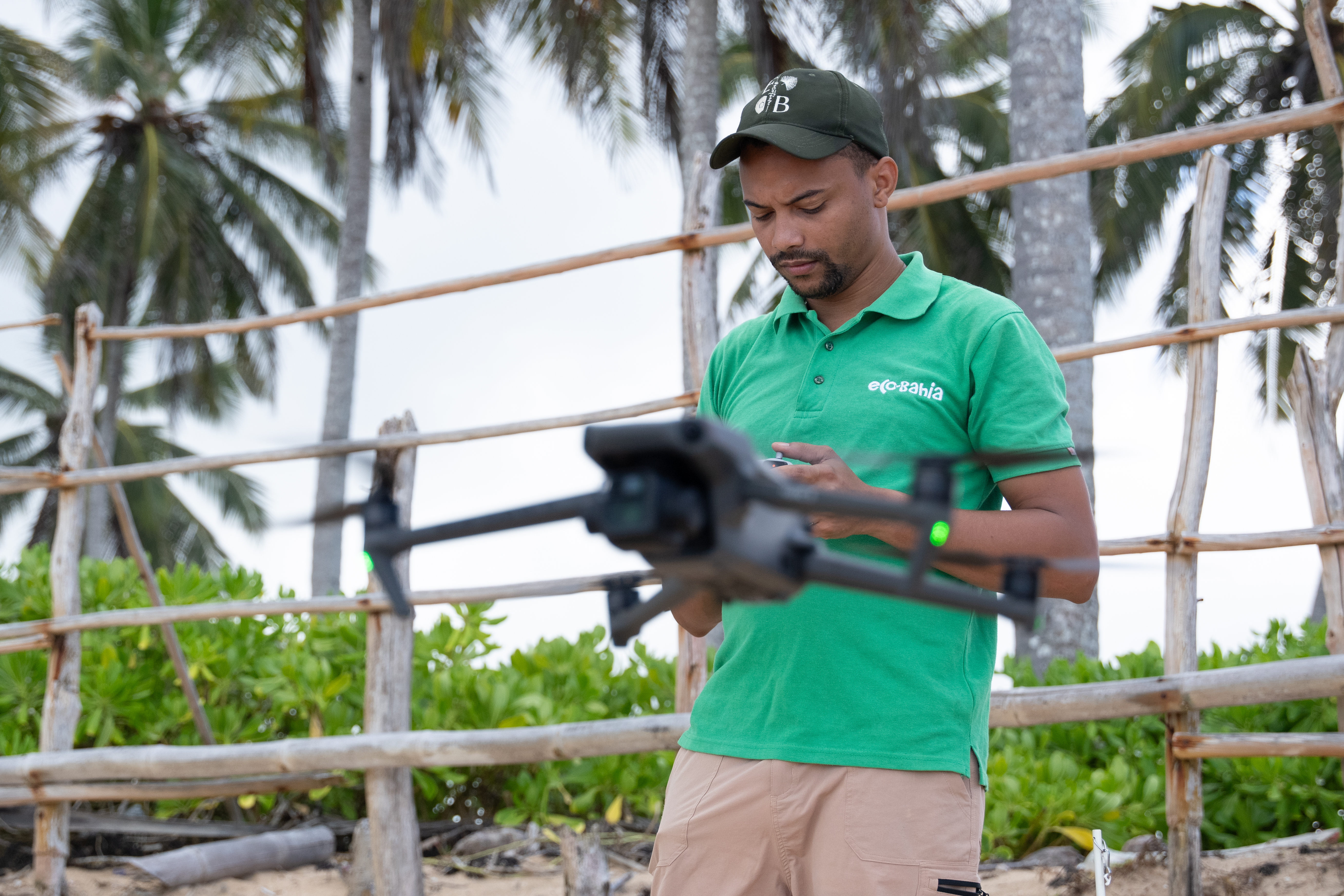
The foundation has also integrated advanced technologies to improve species monitoring. Among the most notable initiatives is the use of drones to monitor Antillean manatees in Samaná, a tool that allows scientists to collect data more efficiently while minimizing disturbance to the animals.
This type of innovation reinforces the role of the tourism sector as an ally in the conservation of Caribbean biodiversity.
Protecting Terrestrial Biodiversity
On land, the foundation intensified its efforts to control invasive species and restore native flora. In the Dominican Republic, 44,022 giant African snails —a harmful invasive species—were removed.
Additionally, around 75,000 square meters of invasive plants were cleared, helping restore natural habitats and strengthen ecosystem resilience.
The work also included the assistance of 1,330 wild animals in Mexico and the monitoring of 61 protected species.
At the same time, the foundation’s nurseries produced thousands of native plants. One of the most notable initiatives was the planting of nearly 2,000 Rosa de Bayahíbe and Dominican mahogany trees in the Dominican Republic, both key species for local biodiversity.
Spaces for Pollinators
Another flagship initiative is the Péepen Oasis in the Riviera Maya, a garden dedicated to protecting pollinators such as the monarch butterfly.
These spaces contribute to the conservation of essential species for ecological balance while raising awareness among visitors and local communities about the importance of pollinators.
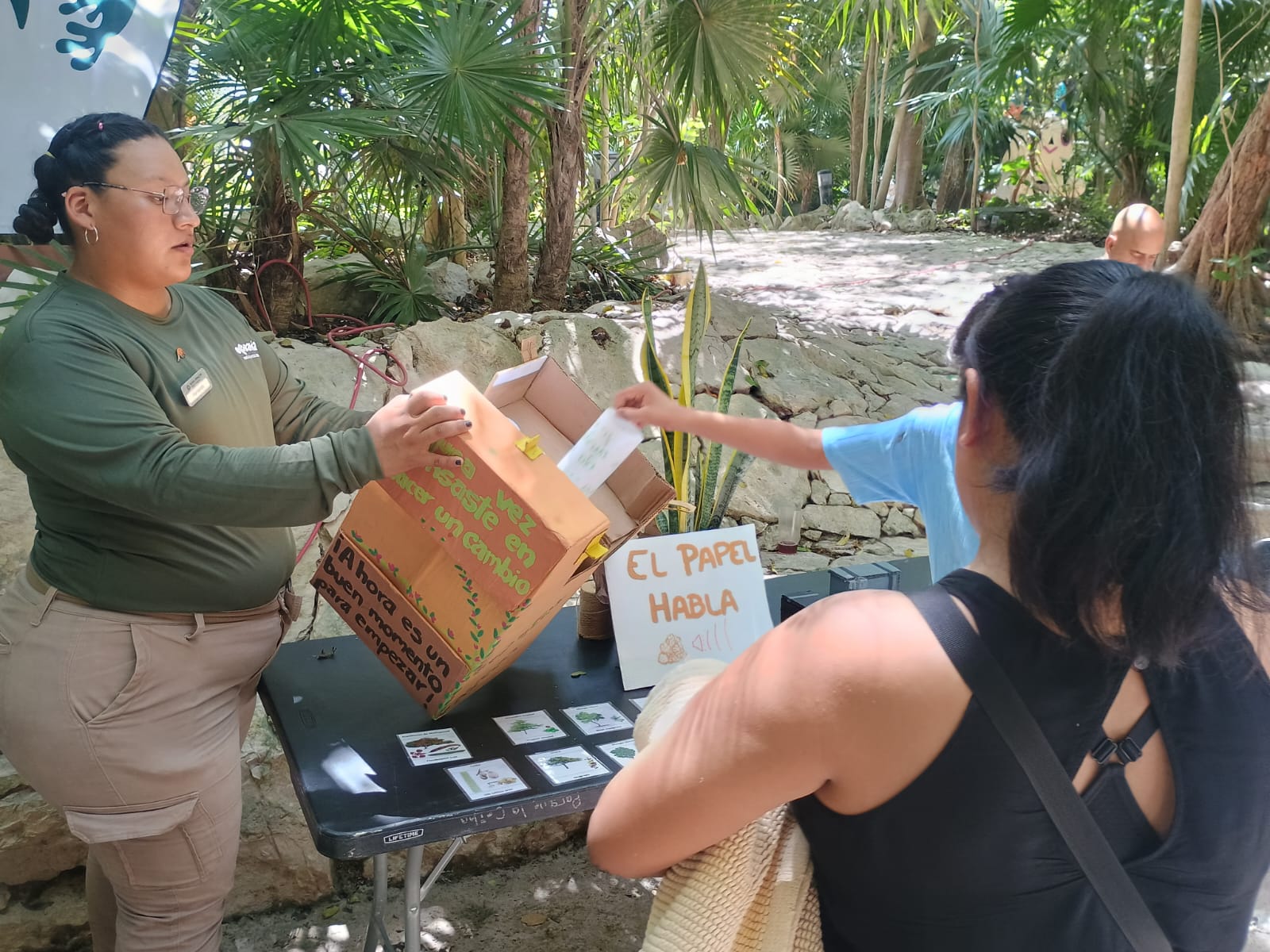
Environmental education has been another strategic pillar for Eco-Bahia. In 2025, its awareness programs reached 15,612 people, including employees, local communities, and visitors.
This effort included the training of 5,232 Piñero employees, as well as the participation of 5,648 children and young people in educational programs and school activities.
Among the most notable initiatives are educational programs such as Aeropeques and Corito Verde, designed to promote environmental awareness from an early age.
Through these initiatives, Eco-Bahia continues to strengthen a model in which tourism and environmental conservation move forward together, demonstrating that tourism development can become a powerful tool for protecting the Caribbean’s natural heritage.



Recycled Paper Workshop in Playa del Carmen

Eco-Bahia Drives Marine Conservation in Riviera Maya