


A Silent Triumph Bringing Hope Back to the Ocean
Eco-Bahia has closed the 2025 sea turtle nesting season in the Dominican Republic with historic results, strengthening its commitment to marine biodiversity conservation and responsible tourism.
Thanks to the collaboration between Eco-Bahia, AERODOM, and the Ministry of Environment, one of the country’s most vulnerable coastal areas has been transformed into a model of environmental cooperation based on patrols, community surveillance, and environmental education.
After surviving for more than 110 million years and overcoming two mass extinctions, sea turtles now face their greatest threat: human activity. In 2025, as part of Piñero’s commitment to sustainability and environmental preservation in the destinations where it operates, Eco-Bahia and its partners managed to reverse a trend that threatened this iconic species.
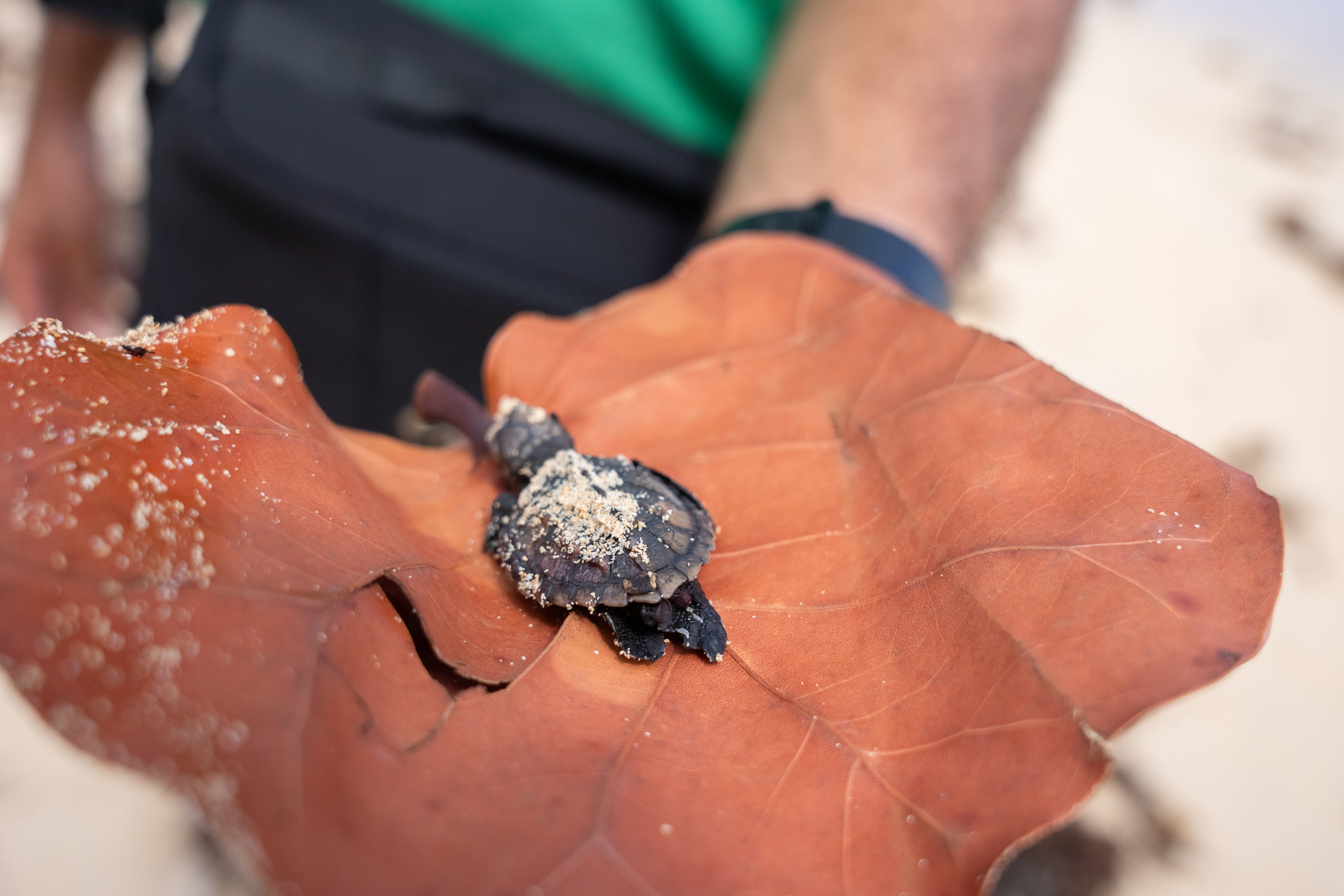
In the darkness of the night, under a moonless sky, hundreds of small silhouettes crawl toward the sea. They are newly hatched sea turtle hatchlings, following a millennia-old instinct: reaching the ocean before dawn. Each one represents a silent victory for marine conservation.
Record-Breaking Conservation Results
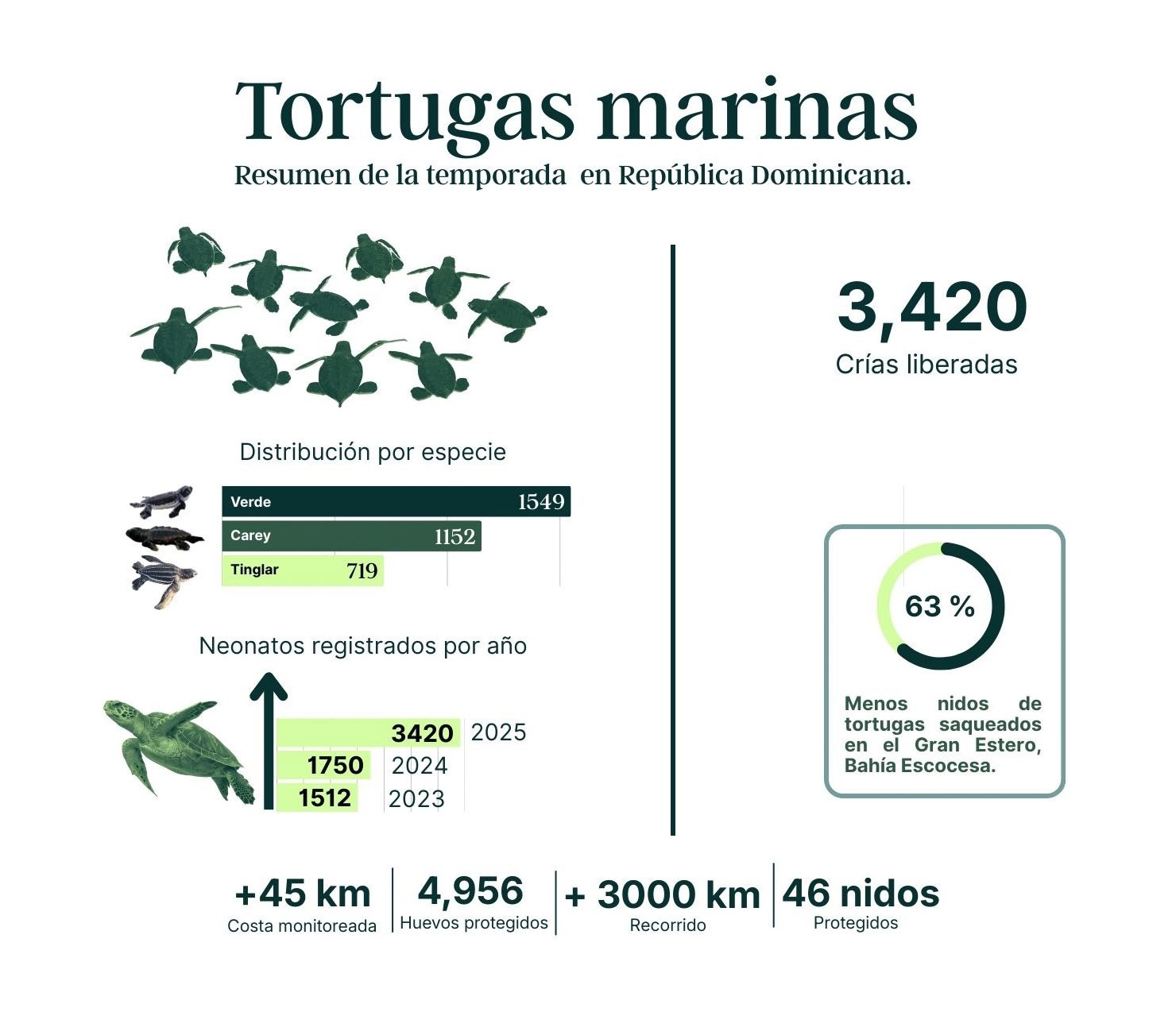
This year, Eco-Bahia closed the season with a historic achievement: 3,420 hatchlings released, double the number recorded just two years ago. Behind this figure lies a story of human effort, strategic alliances, and a constant race against time and storms.
“Eco-Bahia has a long and proven track record in sea turtle conservation. We come from more than 25 years of work in Mexico, where we manage beaches with over 100,000 hatchlings per year. That experience allowed us to replicate a successful model in the Dominican Republic, adapted to its local challenges,” explained Alex Matás, Director of the Foundation in the country.
Along the coastal stretch of Gran Estero, from the Boba River in María Trinidad Sánchez to La Majagua, in the municipality of Sánchez, Samaná, the situation was critical just a year ago: 89% of the nests were looted. In 2025, that figure was reduced to 29.6%, marking a turning point in sea turtle protection.
Essential support from AERODOM, through El Catey International Airport, along with continuous monitoring by the Ministry of Environment, made this transformation possible. Coordinated patrols, community surveillance, and environmental education turned a high-risk area into an example of effective cooperation.
“These partnerships showed that unity is strength. The difference is clear: when institutional efforts are coordinated, the impact is immediate and measurable,” says Alex Matás of Eco-Bahia.
This experience proves that environmental conservation is most effective when it involves local communities, public institutions, and private organizations committed to a shared goal.
The 2025 season not only delivered record figures, 4,956 eggs protected and 3,420 hatchlings released across 46 nests, but also unforgettable moments for the team: nights spent walking kilometers of beach, storms threatening to wash away nests, and the excitement of seeing green sea turtles nesting in Cayo Levantado for the second consecutive year.
By species, the releases reflect the diversity of the conservation effort: green turtle (Chelonia mydas) with 1,549 hatchlings, hawksbill (Eretmochelys imbricata) with 1,152, and leatherback (Dermochelys coriacea) with 719. Each plays a vital role in maintaining ocean balance.
“Sea turtles have been on Earth for more than 100 million years. If we allow them to disappear, the impact on marine life will be profound. Protecting them today ensures that the balance of the ocean continues tomorrow,” emphasizes Eco-Bahia.
Looking ahead to 2026, Piñero, through Eco-Bahia, aims to maintain this positive trend and strengthen surveillance on critical beaches such as Bávaro and Gran Estero. For the Group, conservation is not just a goal but a core pillar of its responsible tourism model, aligned with the sustainability values


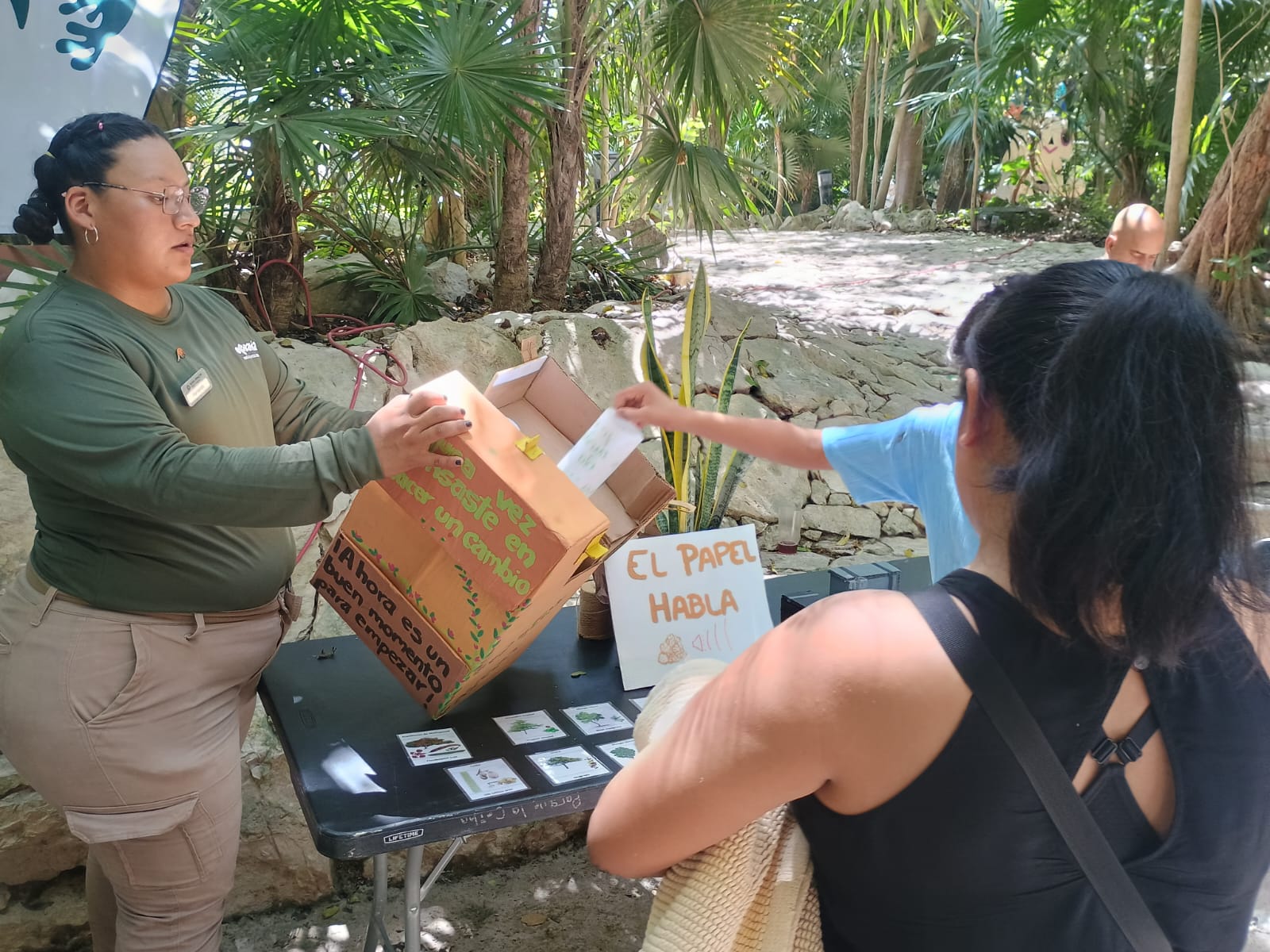
Recycled Paper Workshop in Playa del Carmen

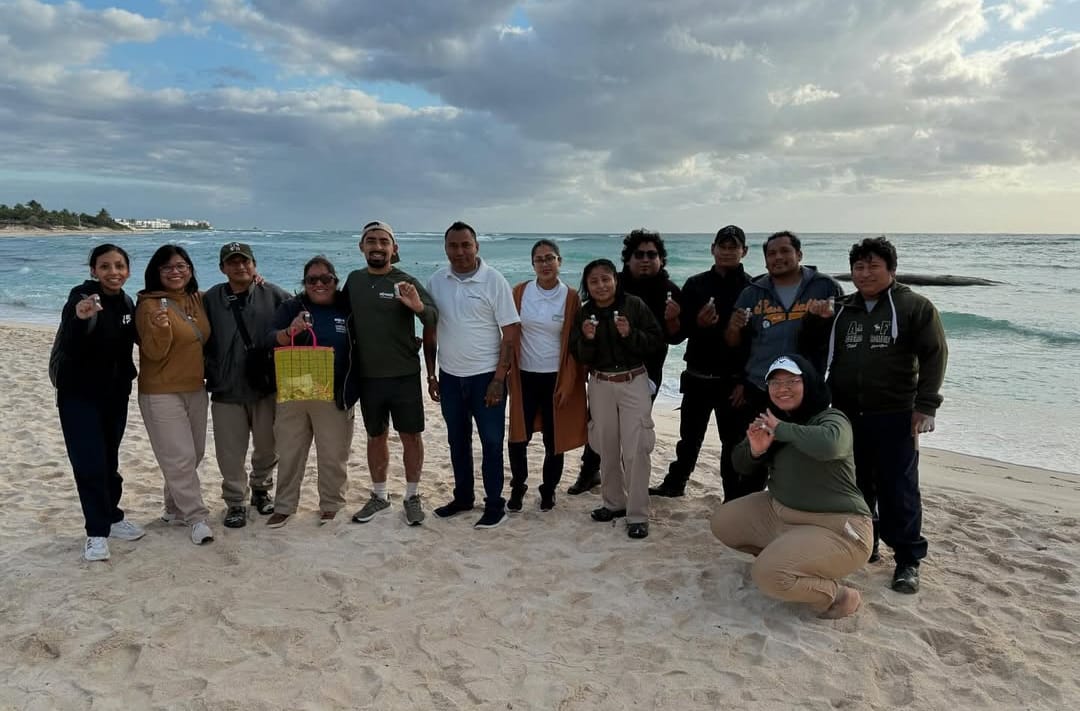
Eco-Bahia Drives Marine Conservation in Riviera Maya